
Do you struggle to say no to your kids? Or say it before thinking? Here we explore this tricky word and how to use it with intention.


“The rain came down, the streams rose, and the winds blew and beat against that house; yet it did not fall, because it had its foundation on the rock.” Matthew 7:25
KNOW>> Christian parenting essentials
CONNECT>> Tips to increase connection
DISCIPLE>> Discipleship ideas
CORRECT>> Solutions for misbehavior
SUPPORT>> Encouragement for parents
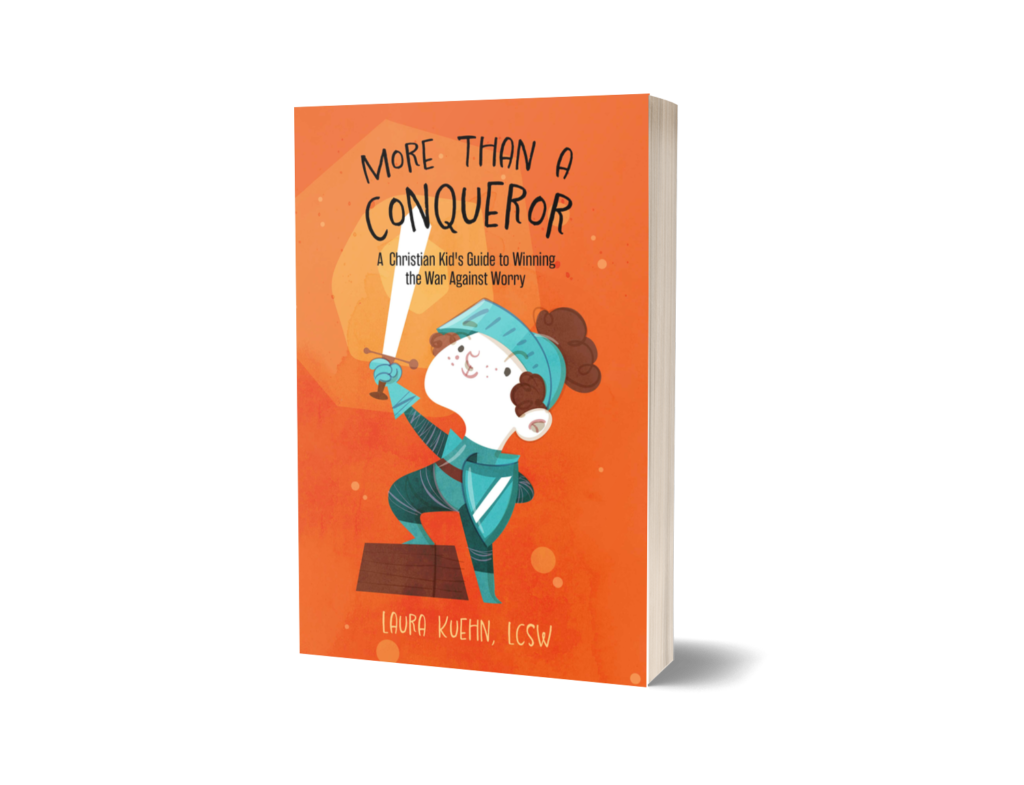
My workbook for Christian kids can help. It offers information and concrete strategies to help your child understand and overcome their struggle with worry.
Do you struggle to say no to your kids? Or say it before thinking? Here we explore this tricky word and how to use it with intention.

Is worry a sin? Here we explore this question by looking at the life of Jesus for answers.

If rules are ruling your mind, this post will offer you tips to notice, name and release unhelpful thoughts. Applications for Christian moms included.

Dropping anchor is a quick tip for moments of emotional overwhelm. Applications for the Christian parent are included.

A book review of Kili and Nakoa - a children's picture book about the presence of God during the hard times of life.

Do you sometimes feel as if you don't know what you are doing as a Christian parent? This post is meant to be a guide to help you get back to basics

Feelings are a part of the human experience. Jesus had feeling too. This family devotional for kids explore the feelings of Jesus from Scripture with a fun twist!

Hyper intensive parenting is at an all-time high. Let's explore how we ended up here and what we can do about it. Tips for Christian parents included.

Do you struggle with mom guilt? Most of us do. Here are some reasons why and what you can do about it from a Christian perspective.

If you have a toddler, it's likely you have struggled to help them manage their anger. Here I explore how to intervene if your toddler hits.

As Christian parents, many of us want to know the "right" way to parent. Here we look at gentle parenting in the context of Scripture.

Anxiety is on the rise in kids. Christian kids are not immune. They need to have a greater understanding of how they are wired, how anxiety takes over and how they can use God's word to face all the challenges that life hands them.

If you are a Christian parent feeling stuck in your parenting, this post will help you define your parenting voice and get out of your head and into the life you want to build with your kids.

Do you find yourself on the brink of losing it with your kids? You are not alone. Read on to learn some tools on how to keep your cool.

Do you worry about parenting? Do you wonder if you are doing it right? What if you could embrace the idea of just being a good enough parent?

In this post, we will examine how to create discipleship opportunities that address attention-seeking behaviors, controlling behaviors, revenge-seeking behaviors, and behaviors driven by a sense of inadequacy.

Discipline is a lot more than just telling our kids what we don't want them to do. Here we explore the importance of training and some ways to do it.

There is a popular conception among many parenting platforms that kids are good inside. Is this true? Here we explore this issue from a biblical perspective.